

AI Receptionist vs Human Receptionist: Key Differences You Should Know

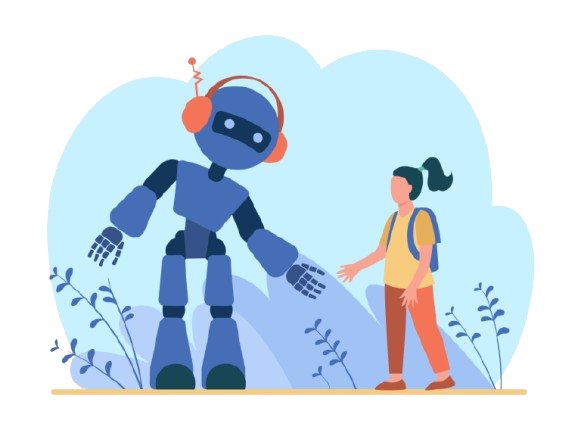
AI-powered virtual receptionist managing a front desk without receptionist in a modern office environment.

The Role of a Receptionist

Receptionists, whether human or AI, serve as the face and voice of a company. They are responsible for managing a variety of tasks while creating a welcoming environment for customers and visitors. Some of the essential duties include:

  • Greeting and assisting visitors
  • Managing phone calls, emails, and other communications
  • Scheduling appointments and coordinating calendars
  • Supporting internal workflows and administrative tasks
  • Handling security check-ins or visitor logs
  • Ensuring a positive customer experience that reflects the company’s values

While the core responsibilities remain the same, the approach and capabilities differ significantly between a human and an AI receptionist.

Human Receptionists: Pros and Cons

Human receptionists have long been the standard in business operations. Their value lies in their ability to provide personalized service and handle complex interactions.

Pros of Human Receptionists

  1. Personalized Customer Service
    Human receptionists can read emotions, adapt tone, and offer empathetic responses that make customers feel heard and valued.
  2. Problem-Solving Abilities
    When unexpected issues arise, human receptionists can think critically and adjust on the spot, whether it’s managing a frustrated caller or coordinating a last-minute meeting change.
  3. Adaptability
    Human staff can adjust to unforeseen situations, such as schedule changes, urgent requests, or unique customer needs, in ways that AI systems currently cannot match.
  4. Sales and Upselling Opportunities
    Trained receptionists can enhance revenue by providing product knowledge, making recommendations, and encouraging upsells during interactions with customers.
  5. Emotional Intelligence
    Humans understand nuance, context, and social cues, which helps in industries where relationship-building and trust are essential.

Cons of Human Receptionists

  1. Limited Availability
    Human receptionists typically work fixed business hours and may not be available during evenings, weekends, or holidays, leaving potential customers unserved.
  2. Higher Costs
    Hiring a human receptionist involves salaries ranging from $30,000–$45,000 per year, plus benefits, taxes, recruitment, and training. These costs can add up to over $50,000 annually.
  3. Possibility of Errors
    Humans can make mistakes due to fatigue, distraction, or miscommunication, potentially leading to scheduling errors or lost opportunities.
  4. Staff Absences
    Sick days, vacations, and turnover can impact consistency and service quality.

In short, human receptionists excel in personal touch and problem-solving but come with higher costs and limited scalability.

AI Receptionists: Pros and Cons

AI receptionists are powered by advanced algorithms, natural language processing (NLP), and machine learning. They’re designed to handle routine tasks efficiently, offering round-the-clock support without the limitations of human staffing.

Pros of AI Receptionists

  1. 24/7 Availability
    AI receptionists never take breaks, ensuring that every call and inquiry is answered promptly—even during holidays or after-hours.
  2. Cost-Effective
    Most AI receptionist solutions, such as My AI Front Desk or Spyne, charge $50–$300 per month, dramatically reducing overhead compared to hiring a human receptionist.
  3. Multitasking Capability
    Unlike humans, AI can handle unlimited simultaneous calls, ensuring no customer is left waiting during peak periods.
  4. Error Reduction and Automation
    Routine tasks like appointment scheduling, data entry, and call routing are automated, reducing errors and freeing staff for higher-value work.
  5. Scalability
    AI systems can instantly scale to accommodate business growth, handling sudden spikes in call volume without additional hiring.
  6. Multilingual Support and Omnichannel Engagement
    AI receptionists can interact in multiple languages and across various communication channels, enhancing accessibility for a global customer base.

Cons of AI Receptionists

  1. Limited Emotional Intelligence
    AI lacks true empathy, making it less effective in scenarios requiring sensitive handling or personal connection.
  2. Complex Problem-Solving Limitations
    While AI can manage routine issues efficiently, nuanced judgment and contextual decision-making remain challenging.
  3. Dependence on Technology
    AI receptionists require setup, ongoing maintenance, and integration with existing systems, which can be a barrier for some businesses.

In summary, AI receptionists excel in efficiency, availability, and scalability, but cannot fully replicate the human touch.

AI Receptionist vs Human Receptionist: Cost Comparison

A critical consideration for businesses evaluating an AI receptionist vs. a human receptionist is cost.

Cost Component

Human Receptionist (Annual)

AI Receptionist (Annual)

Base Salary/Subscription

$30,000–$45,000

$600–$3,600

Benefits & Payroll Taxes

$6,000–$13,500

$0

Recruitment & Training

$2,000–$5,000 per hire

Minimal setup costs

24/7 Coverage

Requires additional staffing

Included

Total Estimated Cost

$48,000–$52,000

$600–$3,600

This stark difference highlights how AI can deliver significant cost savings, especially for small businesses or startups operating on tight budgets. Many businesses report that just a single appointment booked through an AI system can cover the monthly subscription cost, demonstrating immediate ROI.

Performance, Speed, and Efficiency

AI receptionists bring unmatched consistency, speed, and multitasking capabilities compared to human receptionists.

  • Response Times: AI answers calls immediately, eliminating hold times. Human receptionists may queue calls during busy hours.
  • Routine Task Duration: AI completes tasks like scheduling in 90–120 seconds versus 4–6 minutes for humans.
  • Consistency: AI provides identical service quality every time; humans vary with energy levels and mood.
  • Error Rate: AI’s automation reduces mistakes in data entry, appointment tracking, and customer follow-ups.

For businesses managing high call volumes, AI systems like Spyne ensure that every interaction is handled efficiently, improving customer satisfaction and capturing more qualified leads.

Multitasking and Call Management

Handling multiple calls simultaneously is another area where AI receptionists outshine human staff. Human receptionists can focus on only one call at a time, which can lead to long hold times during peak periods. AI receptionists, in contrast:

  • Manage unlimited simultaneous calls
  • Maintain a consistent tone and service quality regardless of call volume
  • Automatically update calendars, CRM systems, and follow-up tasks

This makes AI ideal for small businesses experiencing sudden spikes in demand, seasonal rushes, or marketing campaigns that generate high call volumes.

Human Touch vs Automation

The AI receptionist vs human receptionist debate ultimately comes down to one critical distinction: human interaction versus operational efficiency.

Human Strengths:

  • Empathy, cultural awareness, and nuanced judgment
  • Ability to handle sensitive situations or complaints
  • Building trust and rapport, particularly in service industries

AI Strengths:

  • Round-the-clock availability and instant responses
  • Scalability and cost efficiency
  • Error-free automation and multitasking capabilities

For most businesses, the optimal solution lies in a hybrid approach: AI handles routine, repetitive tasks while human receptionists manage complex, sensitive, or high-touch interactions.

Scaling With Business Growth

As businesses expand, the limitations of human receptionists become more pronounced. Hiring additional staff takes time, money, and training. AI, however, can scale instantly to meet demand, making it ideal for fast-growing companies. Features like unlimited parallel calls and real-time data tracking ensure that no customer opportunity is missed, regardless of business size.

AI Receptionist for Specific Industries: OraAI Case Study

For automotive dealerships, customer interactions are both frequent and critical for sales. Spyne’s AI receptionist solution demonstrates how AI can be tailored for specific business needs:

  • Provides human-like conversations using NLP and machine learning
  • Offers 24/7 support, including after hours and holidays
  • Handles multilingual calls and integrates with multiple communication channels
  • Automates repetitive tasks like appointment booking, lead tracking, and performance reporting
  • Helps prioritize leads and improve conversion rates

This approach shows how AI receptionists can combine efficiency with a personalized touch, maximizing both customer satisfaction and business growth.

Choosing Between AI and Human Receptionists

When deciding between a human or AI receptionist, consider the following factors:

  1. Budget Constraints: AI is more cost-effective for small businesses or startups.
  2. Call Volume: High call volumes favor AI due to its multitasking abilities.
  3. Customer Interaction Needs: Businesses requiring empathy, trust-building, or complex problem-solving benefit from human receptionists.
  4. Business Hours: AI provides 24/7 coverage, which is vital for industries that receive after-hours inquiries.
  5. Scalability: AI can instantly scale to meet growth without additional hiring.

Conclusion

The debate of AI receptionist vs human receptionist isn’t about which is objectively better; it’s about which fits your business needs. Human receptionists shine in delivering empathy, personalized service, and complex problem-solving. AI receptionists, on the other hand, excel in efficiency, cost savings, 24/7 availability, and multitasking.

For most businesses, the best approach is a hybrid model—leveraging AI for routine, high-volume tasks while relying on humans for nuanced, sensitive interactions. Solutions like Spyne illustrate how AI can complement human staff, enhancing lead capture, improving customer experience, and boosting overall operational efficiency.

Whether your priority is reducing costs, scaling quickly, or providing a high-touch customer experience, understanding the key differences between AI and human receptionists will help you make the right choice for your business.

Leave a Reply

Your email address will not be published. Required fields are marked *

Latest blog & articles

Top Tools and Strategies for Mastering Customer Experience Automation

OralAi logo – AI-powered virtual receptionist for dental practices

Your Trusted AI Phone Assistant for Clinics

Subscribe Newsletter

Copyright © 2024 Ourwebsite. All rights reserved.